HYROX Doubles: Strategy, Splits and Station Handovers
Doubles is the fastest growing category in HYROX and the one where strategy makes the biggest difference. The planning gap between two teams of equal ability is routinely three to five minutes. This guide covers the format rules, the sled decision that shapes the whole race, station-by-station split strategy, handover technique, an eight week preparation block and the five mistakes that cost the most.


Doubles is the fastest growing category in HYROX and the one where strategy makes the biggest difference. In singles, your time is a function of your fitness. In doubles, it is a function of your fitness and your planning, and the planning gap between two teams of equal ability is routinely three to five minutes.
How the format works
Both athletes run all eight one kilometre legs together. On the stations, work is shared, and how you share it is almost entirely up to you.
The rules that matter:
- Running: both athletes complete every run leg. You must stay together, and both must cross each transition together.
- Stations: work can be split however you choose, with the exception of the sleds.
- Sled push and sled pull: one athlete completes the whole station. Your partner cannot take over mid-lane. Choose before you start.
- Staying together: if one partner runs ahead, the team takes a one minute penalty. More than three of those and the team is ruled out of competition with no ranking.
- The resting partner stays on their feet. Kneeling, sitting or lying down is not permitted.
- Everything else: switch as often as you like. Always confirm details on the day, because the rulebook is reviewed each season.
That single sled rule is the biggest strategic lever in the race.
The sled decision
The sleds are the two stations most likely to blow up a race. In doubles you must nominate one athlete for each.
The default is to split them. The stronger, heavier athlete takes the push. The other takes the pull. This distributes fatigue and gives each athlete a recovery window while the other works.
The exception is a genuine mismatch. If one athlete can move the push in ninety seconds and the other needs four minutes, give them both to the stronger athlete only if that athlete can still run afterwards. Usually they cannot. A four minute sled push followed by a collapsed run leg costs more than the ninety seconds you saved.
Test this in training. Do a sled push at race weight, then run a kilometre immediately, and time both. Most teams discover their intuition was wrong.
The weights you are actually working with
Doubles loads are identical to singles. Worth knowing before you plan splits:
- Doubles Women: sled push 102kg, sled pull 78kg, farmers carry 2 x 16kg, sandbag 10kg, wall ball 4kg to a 2.70m target
- Doubles Men, Doubles Mixed and Women Pro: sled push 152kg, sled pull 103kg, farmers carry 2 x 24kg, sandbag 20kg, wall ball 6kg. Target 3.00m for men, 2.70m for women
- Doubles Men Pro: sled push 202kg, sled pull 153kg, farmers carry 2 x 32kg, sandbag 30kg, wall ball 9kg to a 3.00m target
Sled weights include the sled itself. Note that Doubles Mixed runs the same column as Doubles Men, which catches a lot of first-time mixed teams out.
Station by station splits
1000m SkiErg
Split by distance, not time. Two blocks of 500m is the standard. Swapping every 250m adds four handovers and costs roughly ten to fifteen seconds for a marginal fatigue benefit. Longer blocks, fewer transitions.
Sled Push, 4 by 12.5m
One athlete. Chosen in advance. The partner should be actively resetting and preparing to run, not standing still.
Sled Pull, 4 by 12.5m
One athlete, the other one. Rope management is the hidden skill here. Practise it.
80m Burpee Broad Jump
Split by distance. Twenty metres each, alternating, is common. This is the station where the resting partner must move forward and be ready, because a slow handover here is repeated four times.
1000m Row
Two blocks of 500m, as with the ski. Set the damper and the monitor before your partner finishes so the transition is genuinely instant.
200m Farmers Carry
Usually a straight 100m each, or by lap depending on the course layout. Grip is the limiter, so the partner not carrying should be shaking out and preparing hands.
100m Sandbag Lunges
Split by distance. This station rewards the team that has practised the specific act of picking up and setting down a sandbag quickly, which is not the same skill as lunging.
100 Wall Balls
The station where teams win and lose. Do not split 50/50. Split into small alternating blocks of 10 to 15 reps and keep the ball moving. The resting partner recovers enough to maintain unbroken sets, and the total time is materially faster than two people each grinding out 50.
Worth knowing: wall balls get no warnings. Every other station gives you one warning per station on movement standards, but here it is either a rep or a no-rep.

Handover technique
Handovers are the free time in doubles. Six seconds saved on each of a dozen transitions is over a minute.
Three rules:
- Call the switch before it happens. The incoming athlete should be in position and moving as the outgoing athlete finishes, not starting to move when they finish.
- Use a fixed verbal cue. "Three" as a warning, "go" on the switch. Same words every time so nobody has to interpret anything at 180 beats per minute.
- The resting partner has a job. Reset the implement, clear the lane, set the monitor, position for the run exit. Standing with hands on knees is a wasted six seconds.
Practise handovers as a discrete drill. Ten minutes of pure transition work will do more for your finish time than another interval session.
Pacing the run legs together
The run legs are where most doubles teams lose their race, because both athletes have to run every one of them and the pace defaults to the slower athlete on a good day and the faster athlete on a bad one.
Set the pace to the slower athlete's sustainable pace plus nothing. Not their fresh pace. Their pace at station six with dead legs. The faster athlete's job is to control it, not to lead it. Our guide to running under fatigue explains why those splits collapse and what to do about it.
Agree in advance who calls the pace and stick to it. Renegotiating pace mid-race is how teams argue in the roxzone.
An eight week doubles preparation block
- Weeks 1 to 2: train as individuals. Build the base. Test sled times cold and after a run.
- Weeks 3 to 4: introduce partner sessions once per week. Practise splits and handovers at low intensity.
- Weeks 5 to 6: two partner sessions per week. Full station simulations at race pace. Lock the sled assignment.
- Week 7: one full simulation, or as close as your facility allows. Everything rehearsed.
- Week 8: taper. Rehearse handovers only, at low intensity.
If you are building general fitness underneath this, our 12 week HYROX training plan and hybrid athlete guide cover the foundation.
The five mistakes that cost the most
- Deciding the sled assignment on race day. Decide it in week four and train it.
- Splitting wall balls 50/50. Small alternating blocks are faster for almost every team.
- Too many transitions on the ergs. Every switch costs time. Two blocks, not eight.
- The faster athlete leading the runs. They should be controlling, not pulling.
- Never rehearsing handovers. It is the cheapest minute in the sport and most teams leave it on the table.
FAQ
Can you swap on the sled in HYROX doubles?
No. One athlete completes the full sled push and one completes the full sled pull. Confirm current rules with the event, as the rulebook is reviewed each season.
How do you split wall balls in doubles?
Alternating blocks of 10 to 15 reps works better than 50/50 for most teams, because it keeps sets unbroken and the ball moving.
Do both partners run in HYROX doubles?
Yes. Both athletes run all eight kilometres together and must transition together. If one runs ahead, the team takes a one minute penalty.
Can you wear earbuds in HYROX doubles?
No. The Season 26/27 rulebook lists headphones and ear plugs as forbidden items, and the permitted-kit list is a closed allowlist, so there is no open-ear or bone conduction exception in any division. Earbuds are for training and for the warm-up area. What matters in a pair of HYROX training earbuds is that they survive the sled and the wall balls and do not depend on a phone. Our guide to the best earbuds for HYROX training covers the specifications that actually matter.
Is doubles easier than singles?
The station volume per athlete is roughly half, but the running is identical. Fast doubles teams find the run legs harder because there is less recovery built into the stations.
How much faster is a doubles time than singles?
Typically 15 to 25 percent faster than the same athletes' singles times, though this varies widely with how well the team executes splits and handovers.
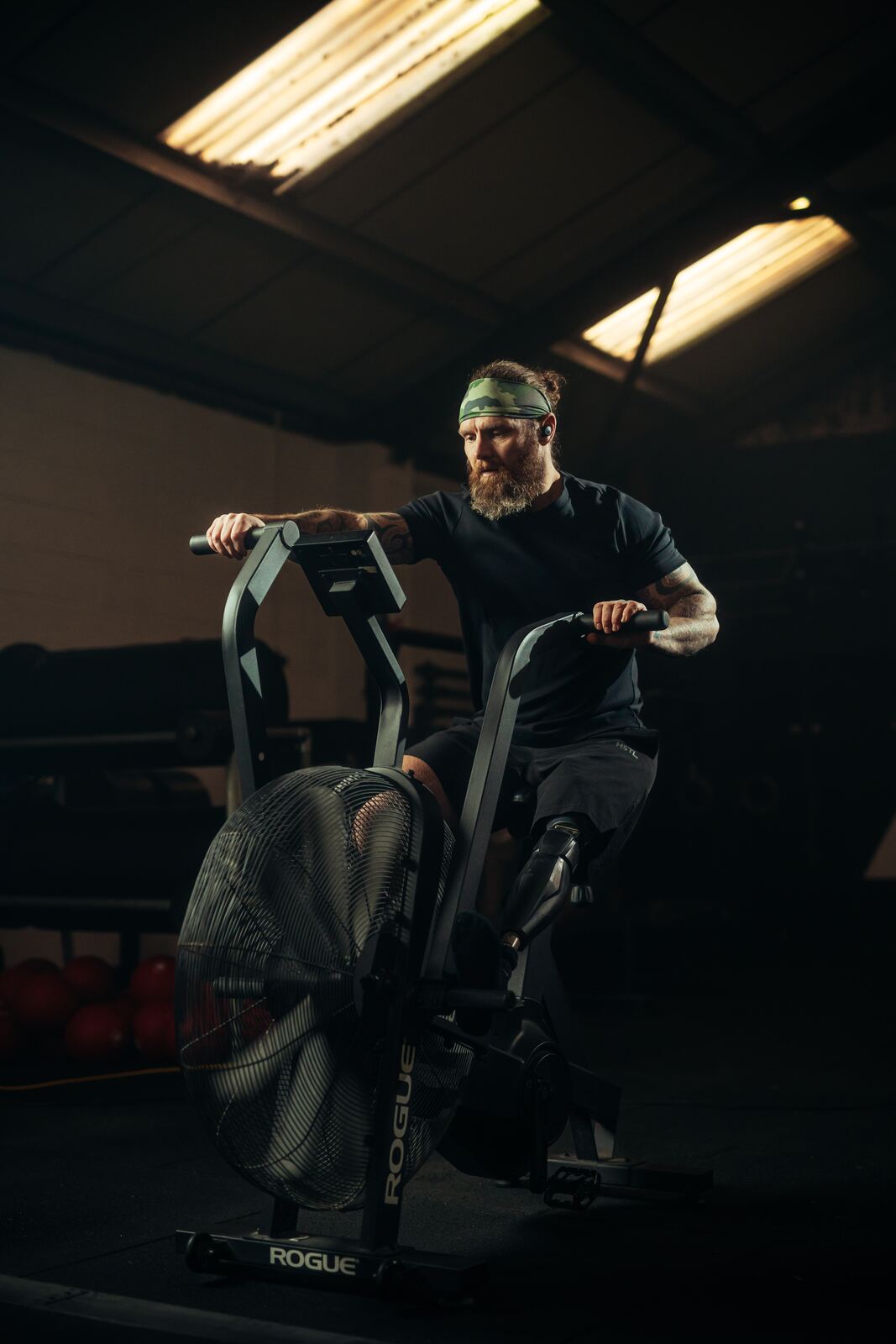
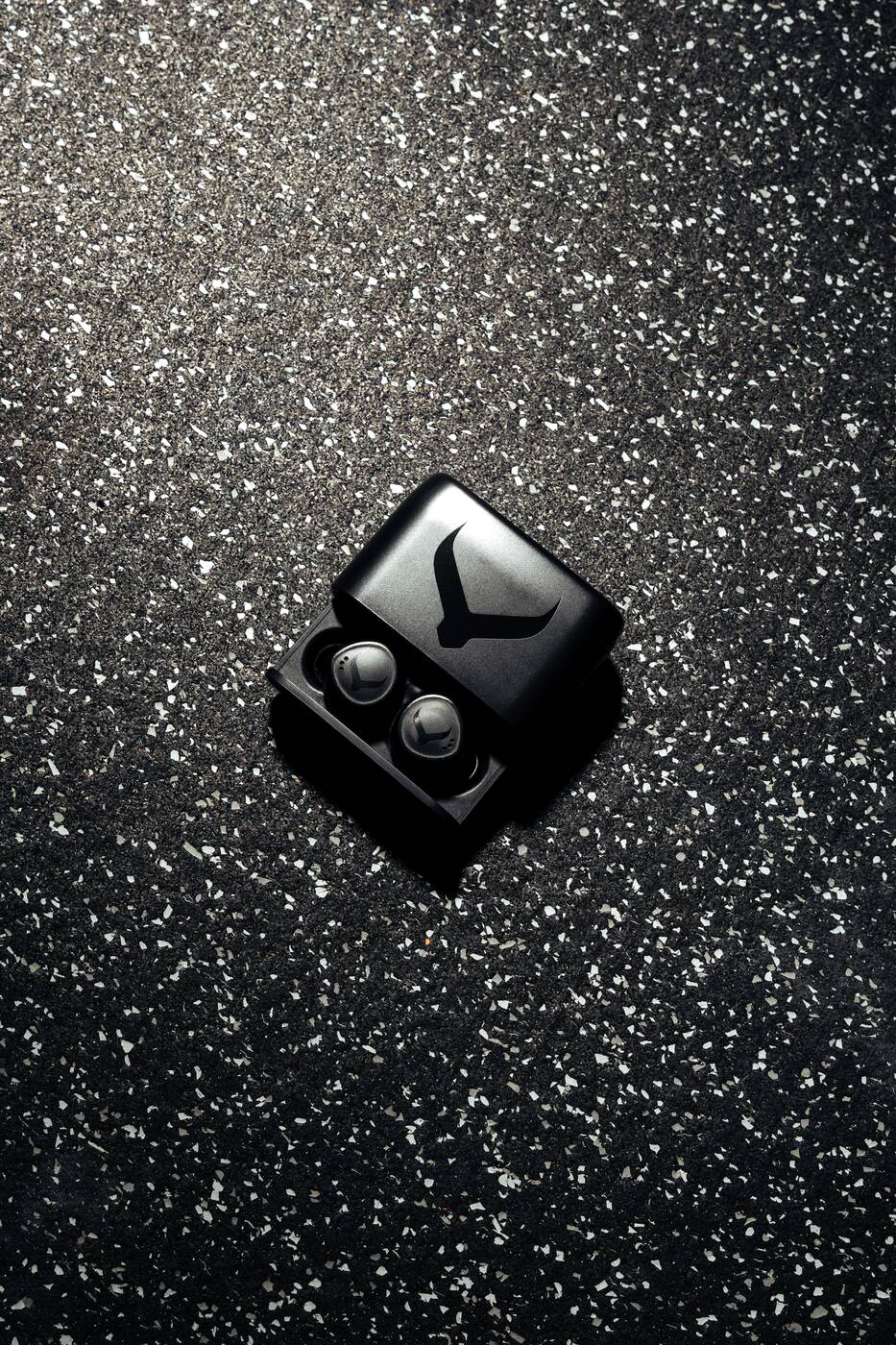
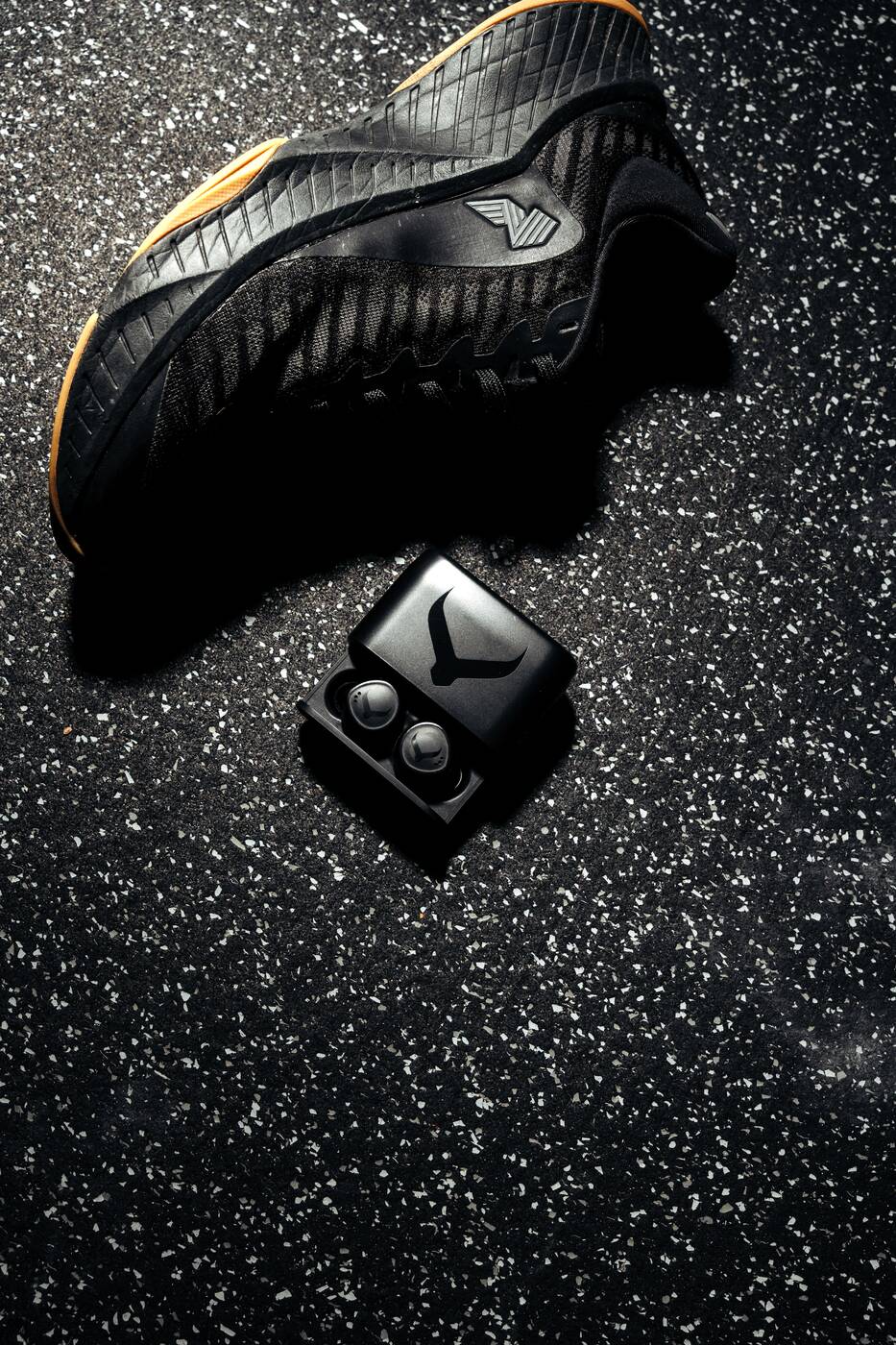
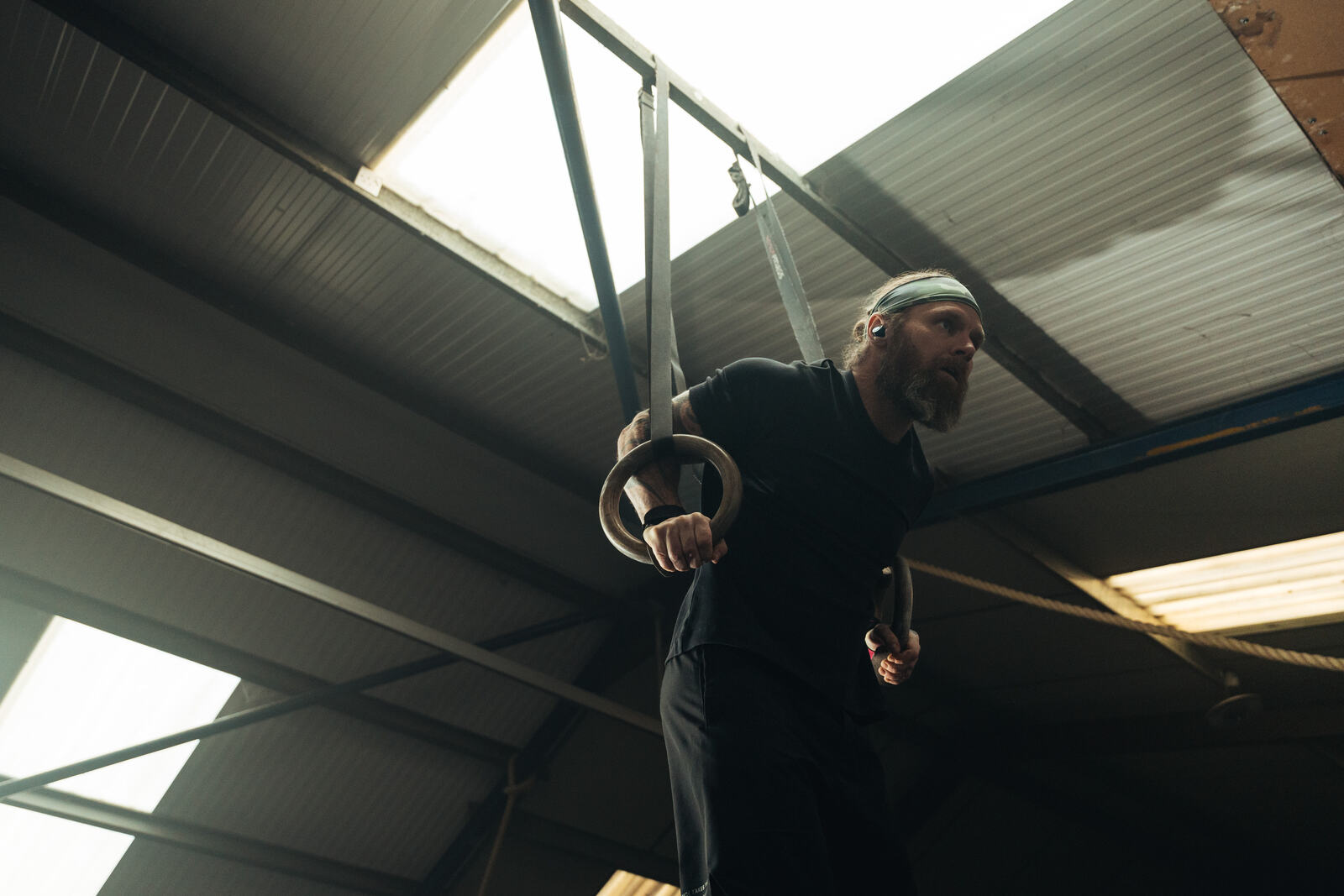
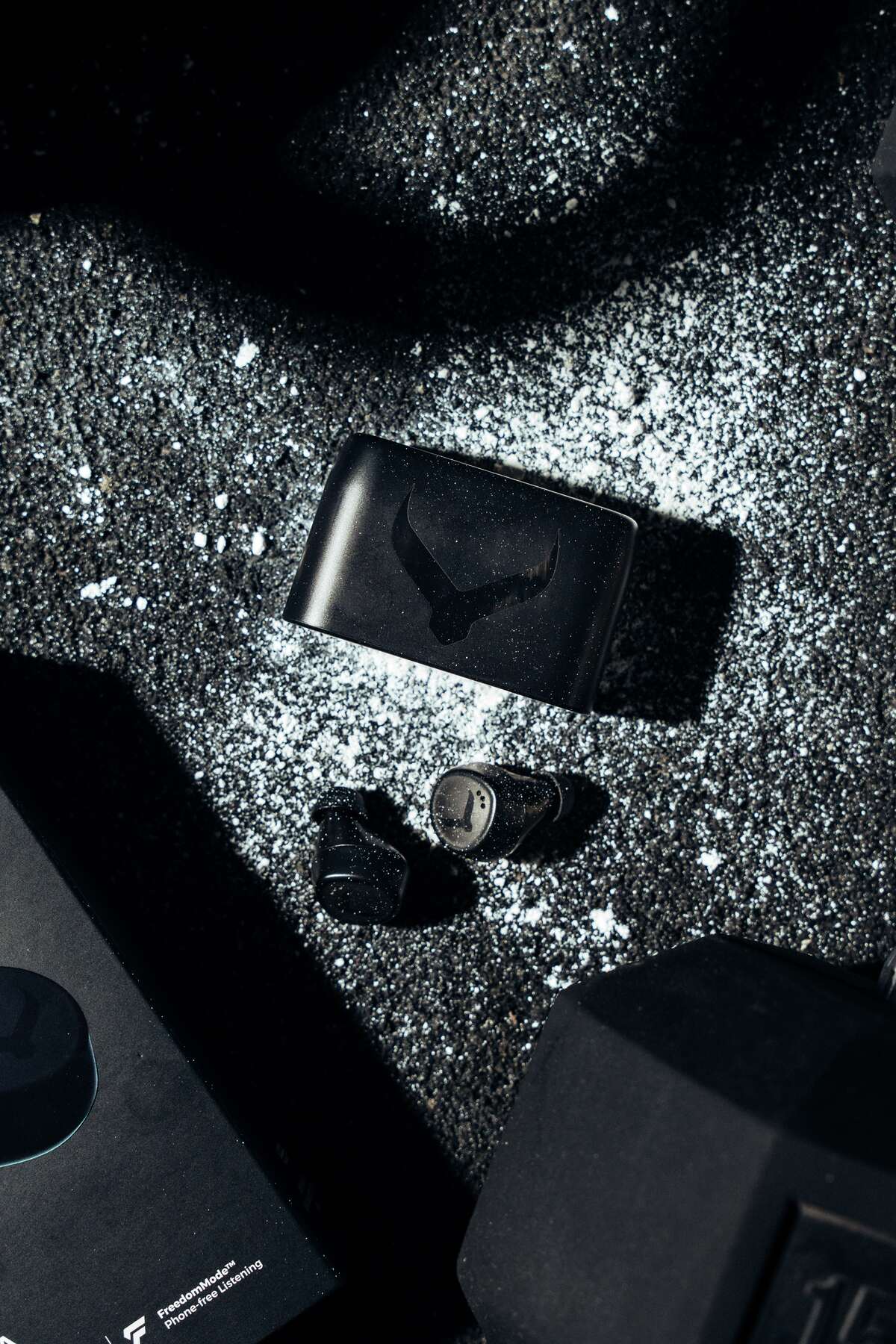
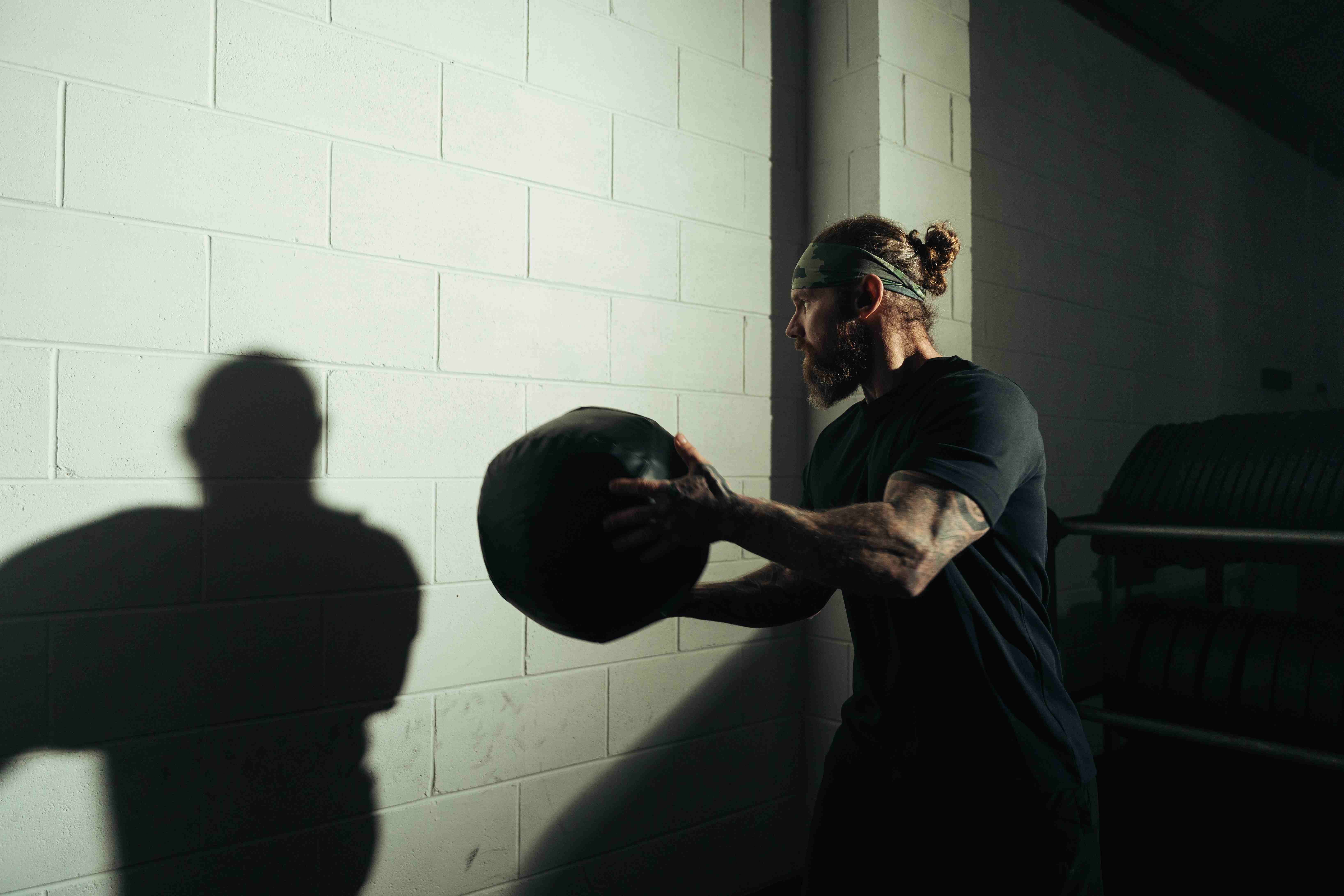
Your simulation sessions are not the time to find out your earbuds cannot handle it, and HYROX forbids headphones during the race itself. The TZ7 Ultra is IP68 rated, impact resistant and holds 1,000 songs without your phone. Reserve yours.
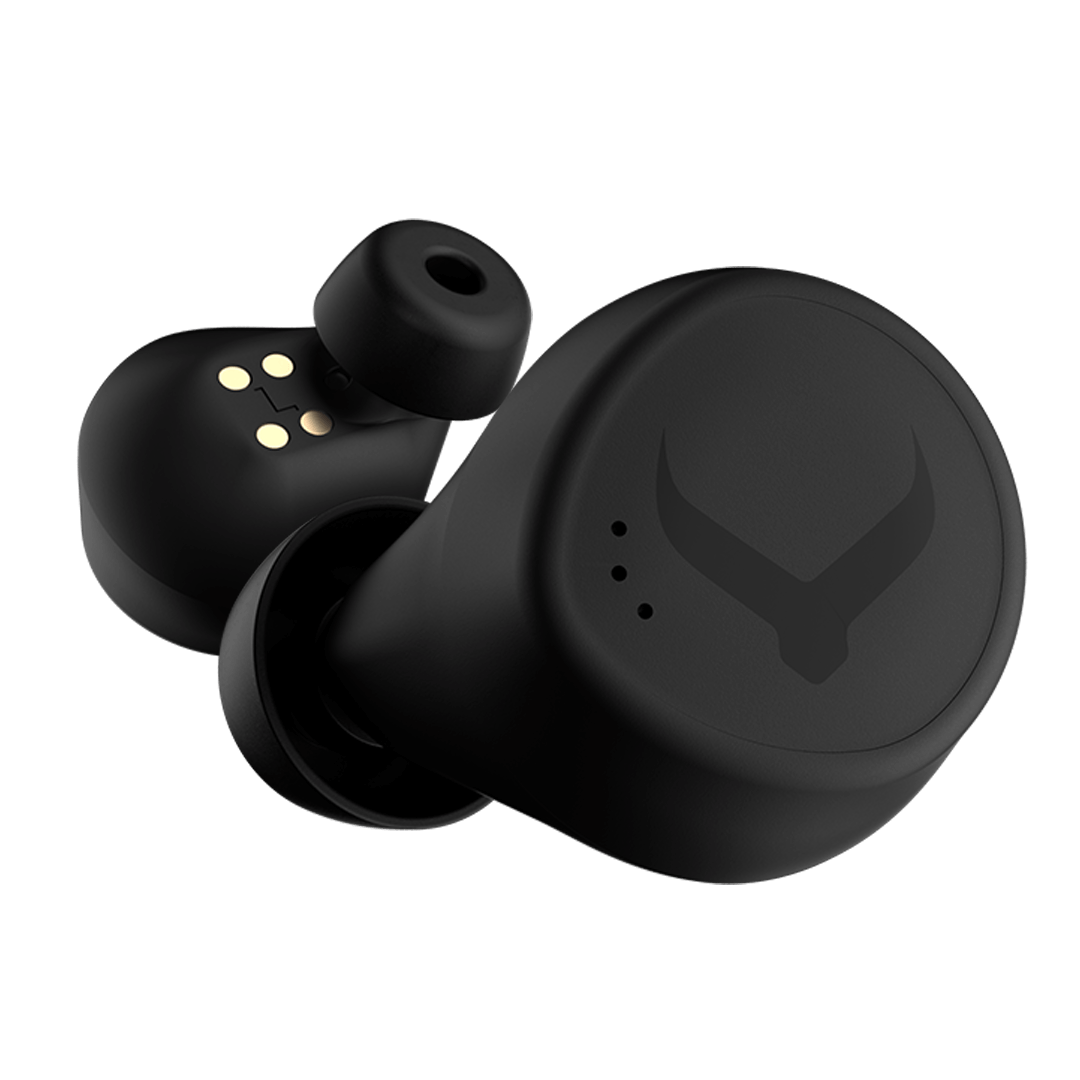
Introducing the ultimate workout earbuds.




















.jpg)


.jpg)



.avif)
.avif)